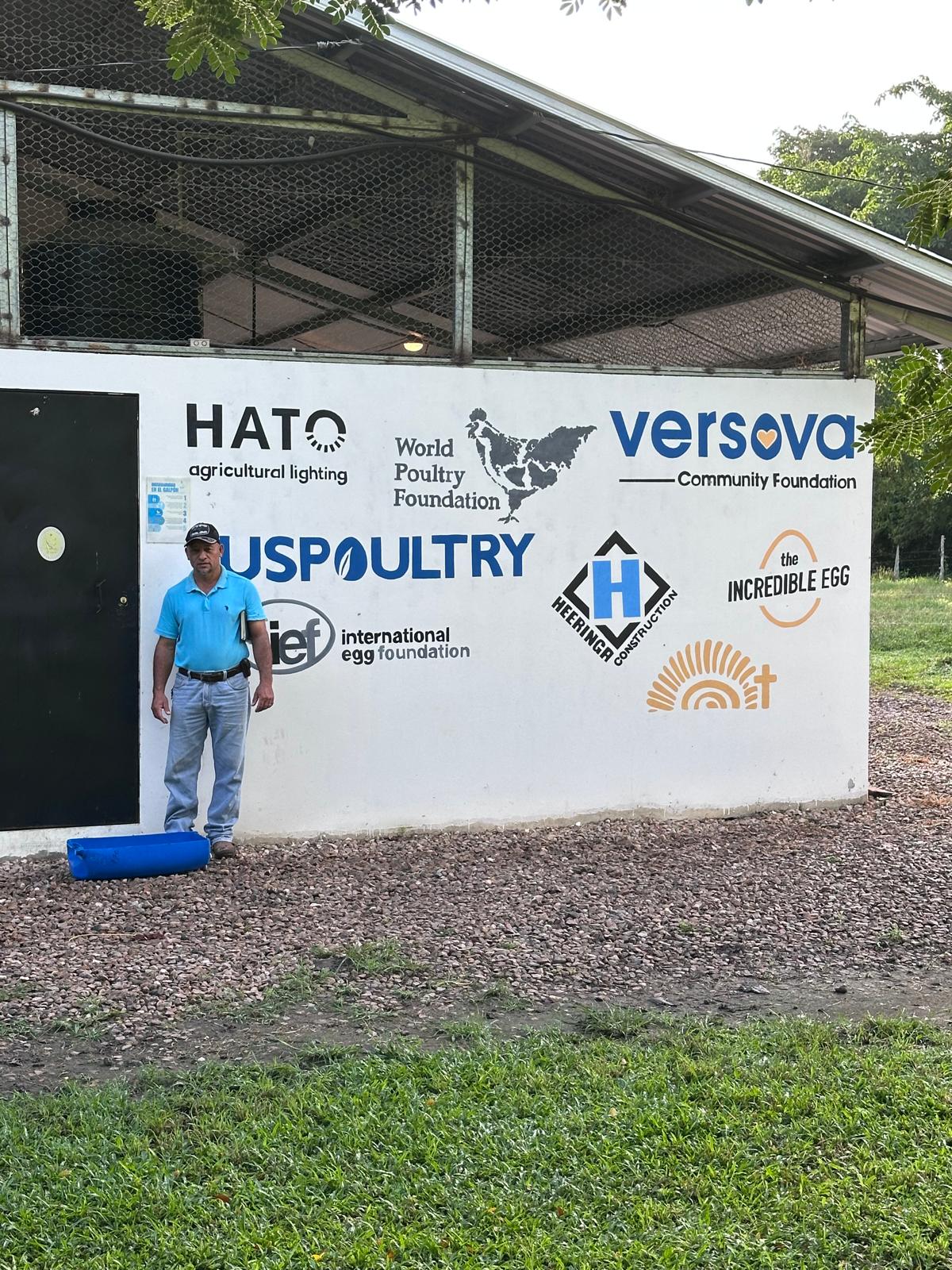
The IEF is pleased to announce the next phase of its work with OneEgg and Honduras Outreach International (HOI): the construction of a second layer barn in the Agalta Valley of Honduras, starting in 2026.
The new barn will build on the success of the existing 3,000-layer facility, increasing the supply of locally produced eggs for HOI’s First 1,000 Days of Life programme.
Supporting nutrition during the First 1,000 Days
The programme provides eggs to expectant mothers during their final trimester and continues supporting families until their child reaches three years old. Participating families are encouraged to include at least one egg a day in their diets, giving mothers and young children consistent access to high-quality protein and essential nutrients during a critical period of development.
Before the first new barn was built, onsite farm capacity stood at approximately 400 layers. Completed in late 2024, the facility increased this to 3,000 layers and created a more reliable and efficient supply of eggs for participating families.
The first H&N-donated flock of 1,500 layers arrived in February 2025, followed by a second flock of 1,500 in March 2026. Both flocks are now in place and the barn is fully operational.
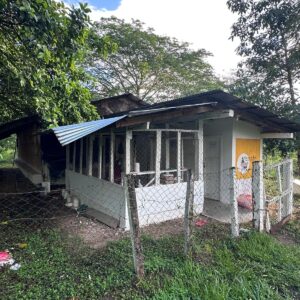
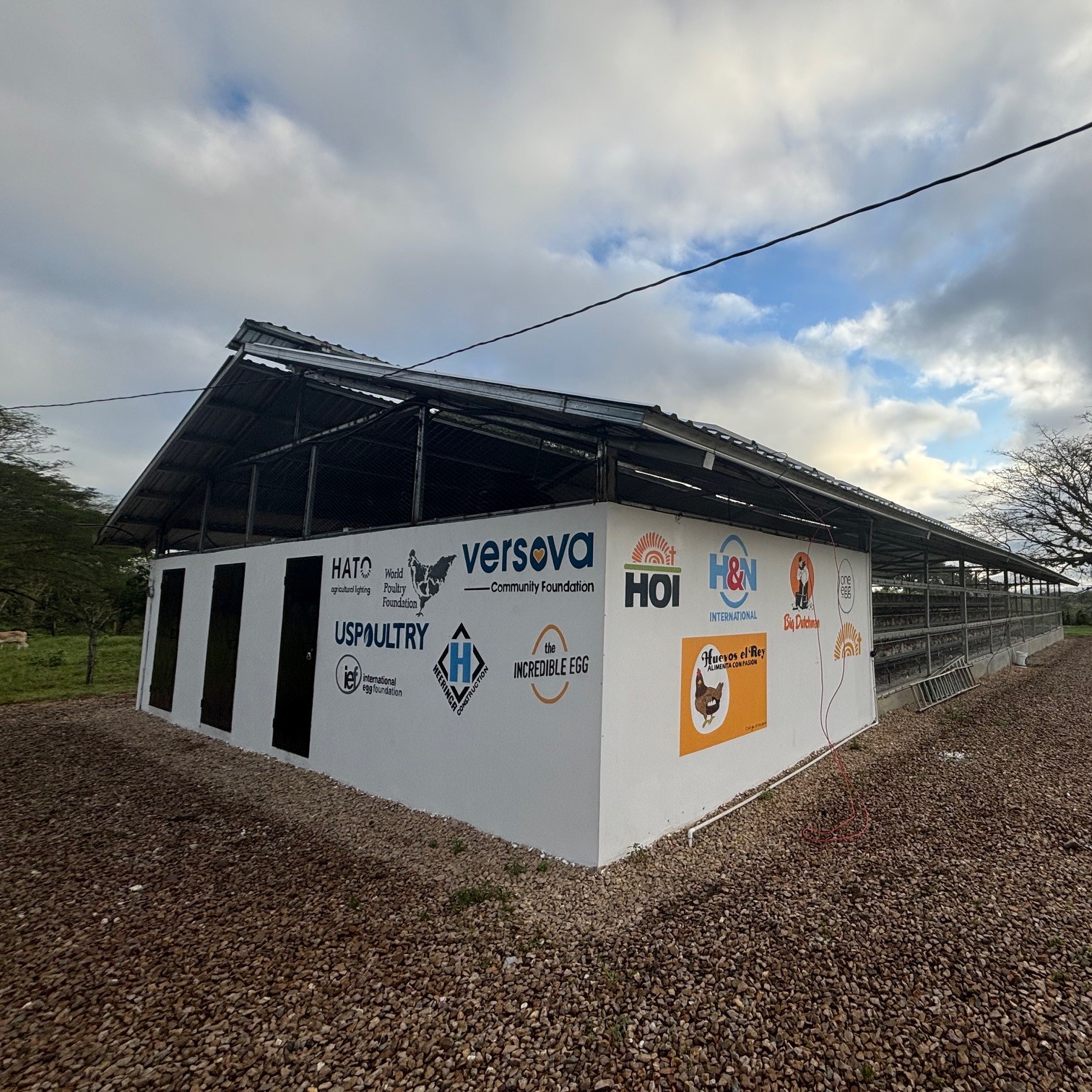
The original egg barn supported approximately 400 layers. The new facility has increased onsite capacity to 3,000 layers.
Building the next phase in 2026
The second layer barn will be constructed at the HOI farm during 2026, providing the additional capacity needed to extend the First 1,000 Days of Life programme to more families across the Agalta Valley.
The expansion is about more than another building. By increasing the number of eggs produced locally, it will strengthen the programme’s ability to provide a dependable source of nutritious food while supporting its long-term sustainability.
The project follows a 20/80 sustainability model: 80% of the eggs produced are sold locally, while 20% support mothers and young children through the First 1,000 Days of Life programme. This approach helps sustain local commercial production while ensuring that most of the eggs reach the families who need them.
Announcing the next phase
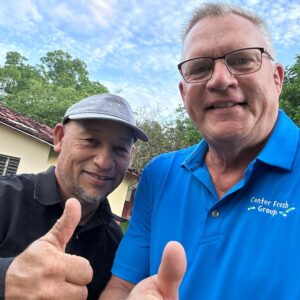
IEF Chairman Bruce Dooyema and Camila Reina, CEO of HOI, share plans for the second layer barn and explain what the expansion will mean for the programme and the families it supports.
This progress has been made possible through the commitment, expertise, equipment and support of organisations across the international egg industry and beyond.
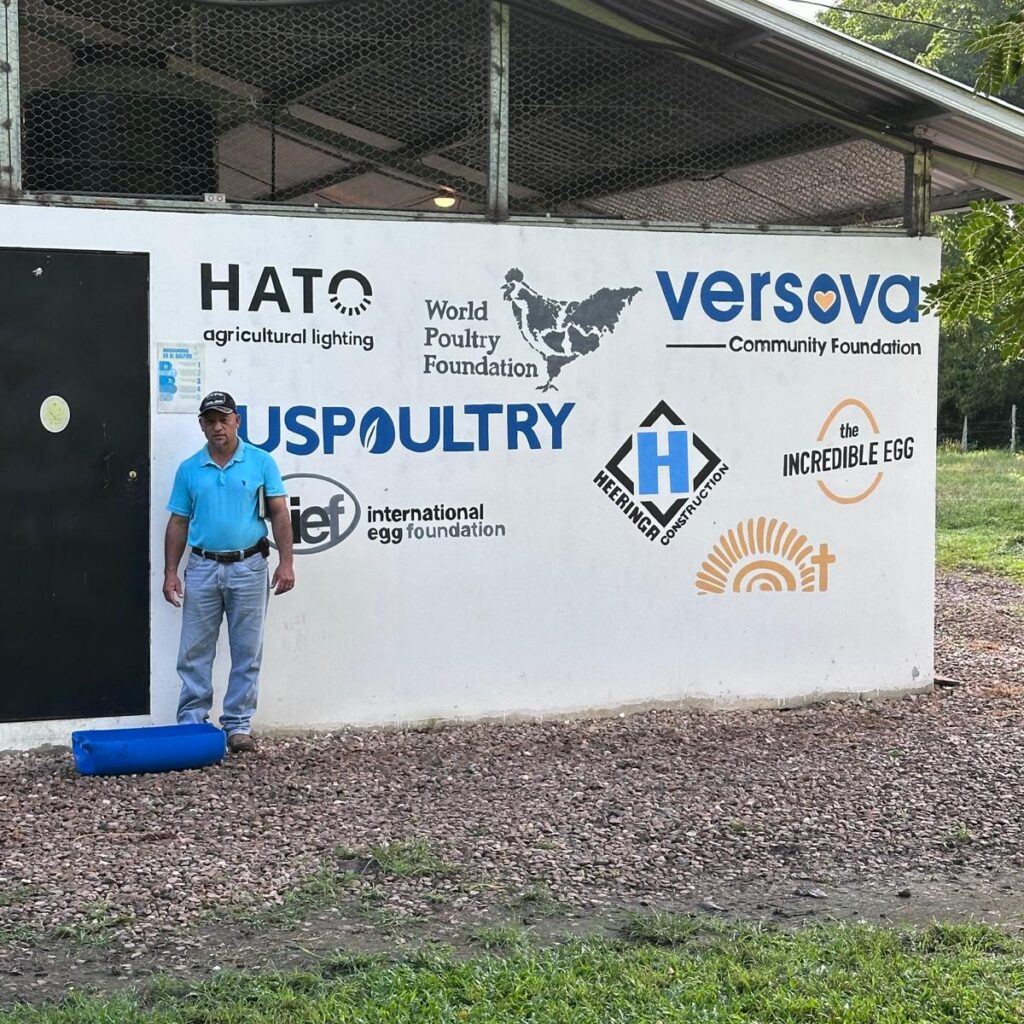
The first layer barn was developed with the valued involvement of Heritage Poultry Management, alongside support from Heeringa Construction, Feenstra Construction, HATO Lighting, Big Dutchman, Versova Community Foundation, H&N, the American Egg Board and the World Poultry Foundation.
As the project moves into its next phase, the IEF is proud to continue working with OneEgg and Honduras Outreach International. Together with the organisations supporting this work, the partnership is turning increased production capacity into a tangible outcome: more locally produced eggs for mothers and young children at one of the most important stages of development.
The second barn marks the next step in a long-term commitment to improving access to nutritious eggs for families across the Agalta Valley.