What can two chickens and a rooster become in the hands of a young person?
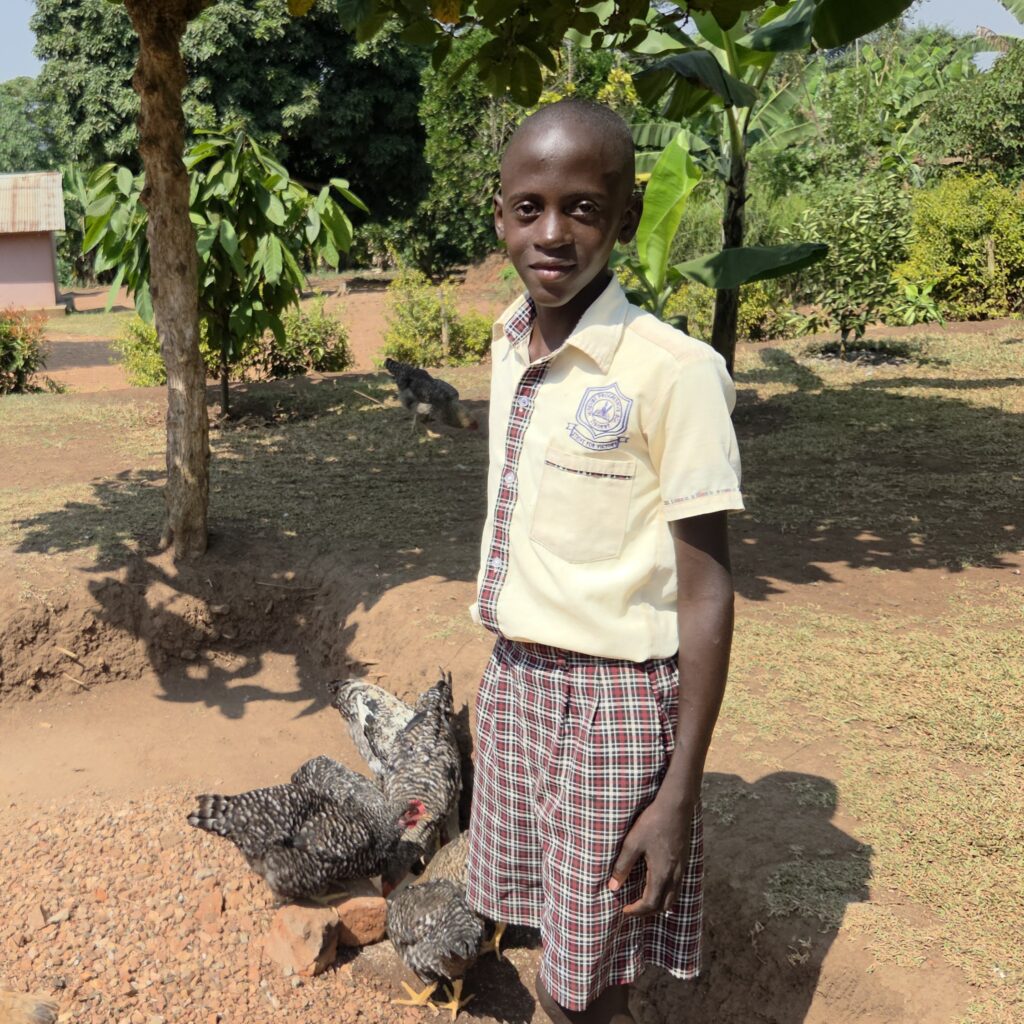
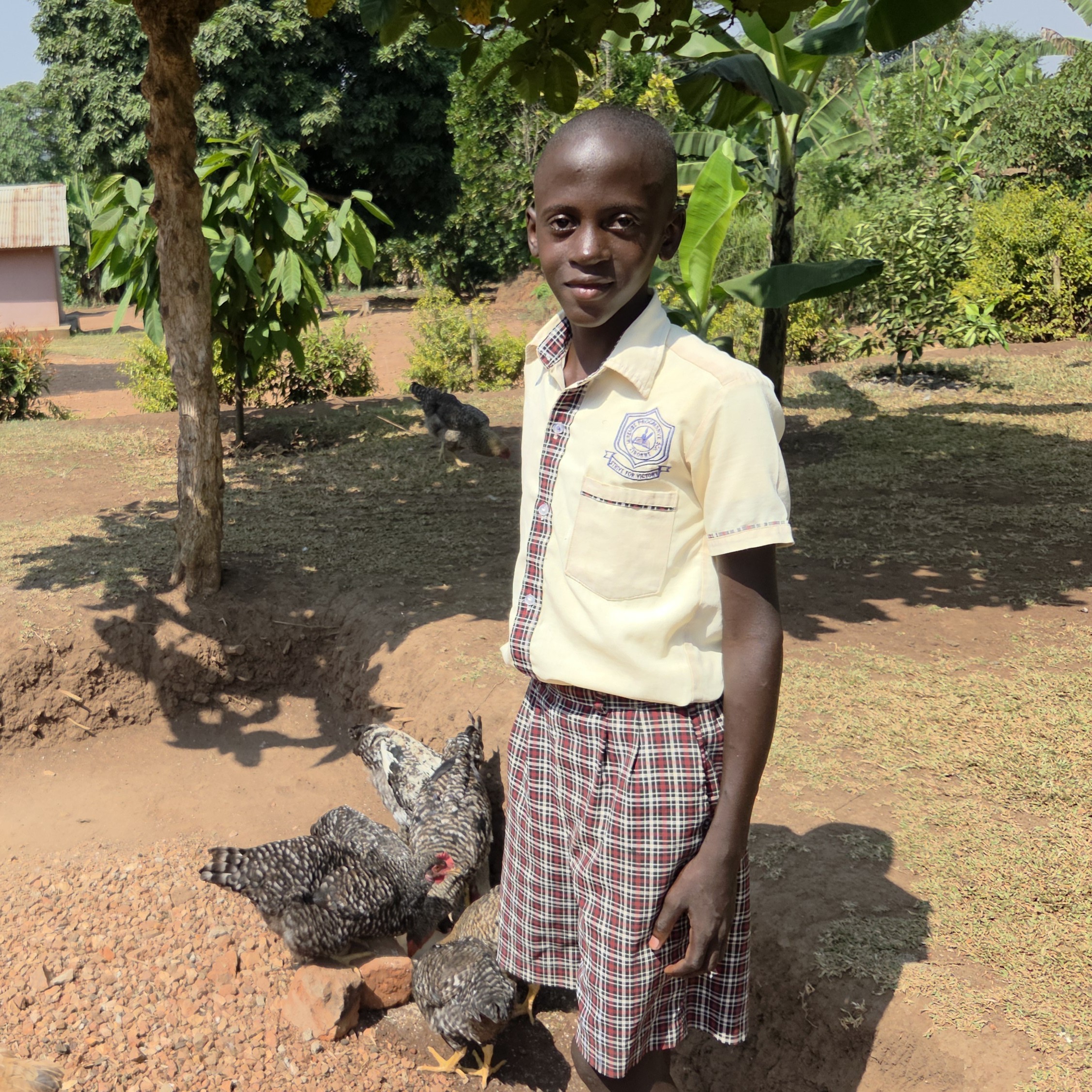
For 15-year-old Gideon in Zirobwe, Uganda, they became a microbusiness and a way to pay his school tuition aswell as an opportunity to build something of his own.
Gideon is one of the young people supported through the Children’s Chicken Ownership Program (CCOP), delivered by Trustlines Development Network with support from the International Egg Foundation (IEF).
IEF has partnered with Trustlines since 2017, supporting children in rural Uganda with chickens, roosters, resources and practical skills to begin raising their own flock.
Returning to see what happened next
During its latest visit, the Trustlines team followed up with children who received chickens and roosters through the programme last year.
Gideon started with two chickens and a rooster. In less than a year, he has raised 80 chickens and has sold birds to pay his school tuition.
His progress came despite losing chickens to illness, predators and theft. Gideon was recognised as the programme’s best-performing participant and received a prize of UGX 200,000 (around $56), which he used to buy a bicycle. Gideon no longer has to walk to school.
Another 150 children begin their journey
In July 2026, another 150 children at Mirembe Progressive School in Zirobwe received 300 hens – two each – along with starter feed.

Unlike previous distributions, only hens were provided, with the aim of increasing the number of eggs available to children and their families. The Trustlines team will follow their progress over the coming year.
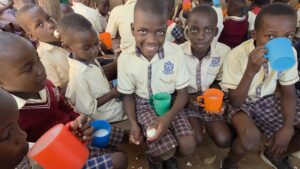
During the visit, 360 boiled eggs were also provided to schoolchildren at snack time.
Building a sustainable school flock
The programme is also supporting egg production within Mirembe Progressive School.
In 2025, the school received 112 chickens to produce eggs onsite. Since then, eggs have been provided to children at snack time twice a week in each class.
When laying productivity declined, the school sold 100 birds and reinvested the proceeds in 200 new hens – an encouraging step towards creating a more self-sustaining flock.
Challenges remain. Feed costs have almost doubled, disease continues to threaten flocks, and protecting birds from predators and theft can be difficult.
By returning to communities and seeing what happens after chickens are distributed, IEF and Trustlines can learn from both the successes and the challenges – and continue strengthening the programme for the children who follow.
For Gideon, that journey started with just two chickens. A year later, those birds are helping him build something much bigger.